Snapdragon X Elite vs. Apple M3: The Ultimate Computing Prowess
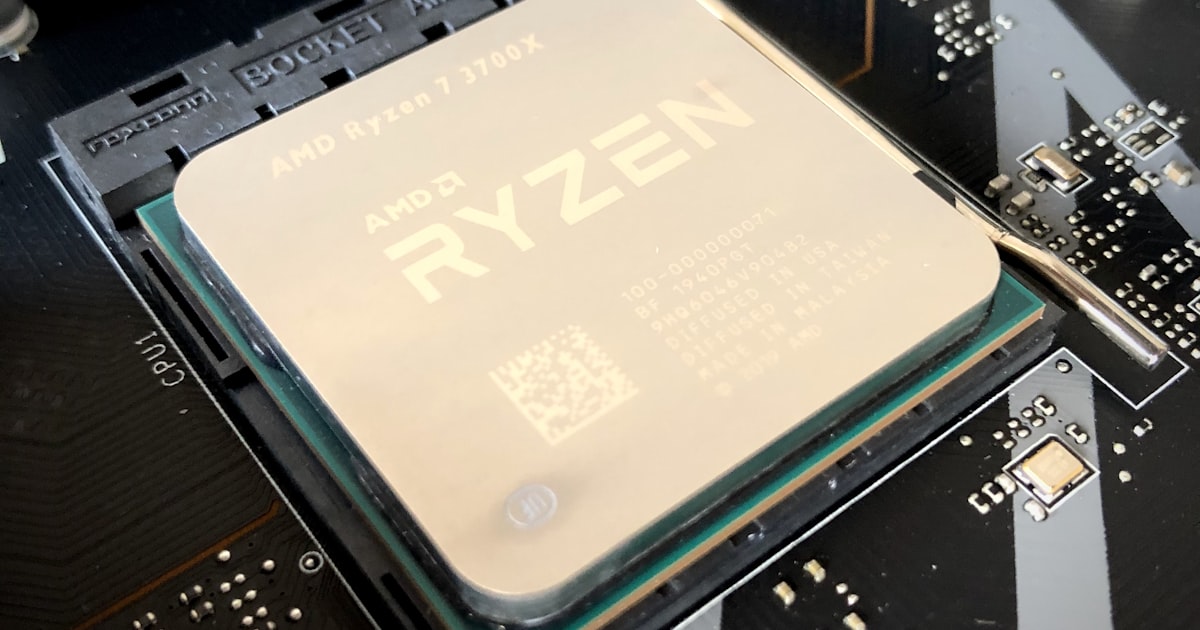
The battle between Qualcomm and Apple represents one of the most consequential architectural shifts in personal computing. Since Apple launched the M1 in 2020, Apple Silicon has defined laptop efficiency, leaving Windows users reliant on power-hungry x86 processors. With the launch of the Snapdragon X Elite, Qualcomm aims to break that monopoly and establish Arm as a first-class citizen in the Windows PC ecosystem.
Drawing from my background in computer architecture research and hands-on performance analysis for semiconductor designs, this article looks past launch presentation slides to compare the Snapdragon X Elite directly against Apple’s M3. (We focus on the M3 here rather than the newly announced M4, as the M3 reflects the retail baseline across current laptops).
CPU Architecture: Oryon vs. Apple M3
Qualcomm Oryon:
In Qualcomm’s launch disclosures, the Snapdragon X Elite, with its 12-core Qualcomm Oryon CPU, was positioned as a breakthrough in both single-thread and multi-thread benchmarks. In retail testing, while Apple’s M3 retained the single-threaded IPC lead, the X Elite proved formidable in sustained multi-threaded workloads, delivering impressive efficiency and performance. This remarkable architecture translates Qualcomm’s mobile prowess directly into the PC market. In productivity benchmarks like PugetBench for Lightroom Classic, the Snapdragon X Elite competes closely with the Apple M3, highlighting its formidable capabilities in real-world applications. This marks a significant challenge to traditional PC processor giants.
Apple M3:
On the other side, Apple’s M3 chips, built on an advanced 3nm process, continue to set the benchmark for performance and efficiency. Known for their strong performance in both single-thread and multi-thread workloads, the M3 chips excel in areas like video editing and software development. The architectural finesse of the M3 enables it to deliver consistent, high-performance results, making it a favorite among creative professionals and developers. Apple’s leap to its own silicon has been nothing short of revolutionary, positioning the M3 as a formidable force in the industry.
GPU Performance and Graphical Workloads
While the Snapdragon X Elite’s integrated Adreno GPU is competitive for general productivity and light gaming, it generally trails behind Apple’s M3 in demanding workloads. In synthetic 3DMark benchmarks, the X Elite lags by approximately 29-31% compared to the M3.
Apple’s M3 GPU benefits from architectural enhancements like Dynamic Caching, mesh shading, and hardware-accelerated ray tracing. Creative applications such as Final Cut Pro and Blender demonstrate a clear advantage for the M3, where tight Metal framework integration gives Apple a significant lead in sustained rendering tasks.
Battery Endurance: Launch Claims vs. Retail Reality
Snapdragon X Elite:
Qualcomm’s mobile processor expertise shines through in the Snapdragon X Elite, with launch presentations boasting up to twice the battery life of comparable x86 processors in video playback. In real-world retail testing, the X Elite delivered outstanding endurance that achieved parity with Apple’s M3 MacBook Air, offering all-day battery longevity that represents a major milestone for Windows on Arm. Whether you’re a road warrior or a student, this extended battery life ensures you stay productive throughout the day without constantly seeking out power outlets.
Apple M3:
Apple’s M Series chips remain the gold standard for efficiency. Built on TSMC’s 3nm node, the M3 delivers exceptional endurance, routinely lasting over 15 to 18 hours in real-world browsing and productivity tests. Apple’s deep OS-level power management ensures consistent performance whether plugged in or running on battery, an area where Windows laptops have historically faltered.
Connectivity, Security, and AI Acceleration
Connectivity and Enterprise Security:
The Snapdragon X Elite integrates cutting-edge connectivity, including 5G support and Wi-Fi 7, alongside Microsoft’s Pluton security processor embedded directly into the CPU die. Apple matches this security focus with its proven Secure Enclave and hardware-verified secure boot, while offering superior peripheral bandwidth through Thunderbolt 4 integration.
On-Device AI and NPUs:
The Snapdragon X Elite’s Hexagon NPU delivers an impressive 45 TOPS, comfortably crossing Microsoft’s Copilot+ baseline for on-device generative AI tasks without cloud latency. Apple’s M3 Neural Engine provides robust machine learning acceleration through Core ML. For a deeper look at Apple’s software execution, see my analysis on Apple Intelligence.
Execution Matters: The Shadow of the Snapdragon 810
Qualcomm’s Snapdragon X Elite is undoubtedly a milestone for PC computing. However, in semiconductor engineering, architectural ambition must be matched by execution.
Qualcomm has stumbled before - most notoriously with the Snapdragon 810, which suffered from severe thermal throttling and aggressive downclocking under sustained loads. While the X Elite avoids those extremes, Windows on Arm faces its own execution hurdle: x86 emulation via Microsoft’s Prism translation layer. Native Arm64 binaries run smoothly, but legacy enterprise apps, kernel-mode drivers, and anti-cheat engines still experience translation friction.
The Broader Horizon: NVIDIA, ARM, and Open Ecosystems
The emergence of capable Arm PC silicon has broader implications. As NVIDIA expands its Grace and Blackwell architectures with ARM cores, and as consortiums standardize chiplet interconnects like UCIe, the boundary between mobile, client, and datacenter computing is dissolving.
Qualcomm’s entrance proves that high-performance Arm computing on Windows is viable. If Qualcomm and Microsoft sustain driver and developer support, the computing landscape will finally have the multi-vendor alternative that consumers and engineers have waited years to see.
Cheers,
Bhargav
Sources
- PugetBench for Lightroom Classic: Puget Systems
- Apple M3 Review: AnandTech
- Qualcomm Snapdragon X Elite Performance: Tom’s Hardware
- Apple M3 Performance and Efficiency: TechRadar
- Snapdragon X Elite GPU Performance: NotebookCheck
- Apple M3 GPU Benchmarks: MacRumors
- Final Cut Pro Performance on M3: 9to5Mac
- Snapdragon X Elite Connectivity and Security: Tom’s Hardware
- Apple M3 Integration: AnandTech
- Snapdragon X Elite AI Capabilities: Tom’s Hardware
- Apple M3 AI Capabilities: AnandTech
- Market Implications of Snapdragon X Elite: TechRadar
- Snapdragon X Elite Execution: NotebookCheck
- NVIDIA and ARM Impact: TechRadar
(Note: I will try to include specific articles in future)
Comments powered by Disqus.