Microsoft's Outage: The Day the Cloud Wept
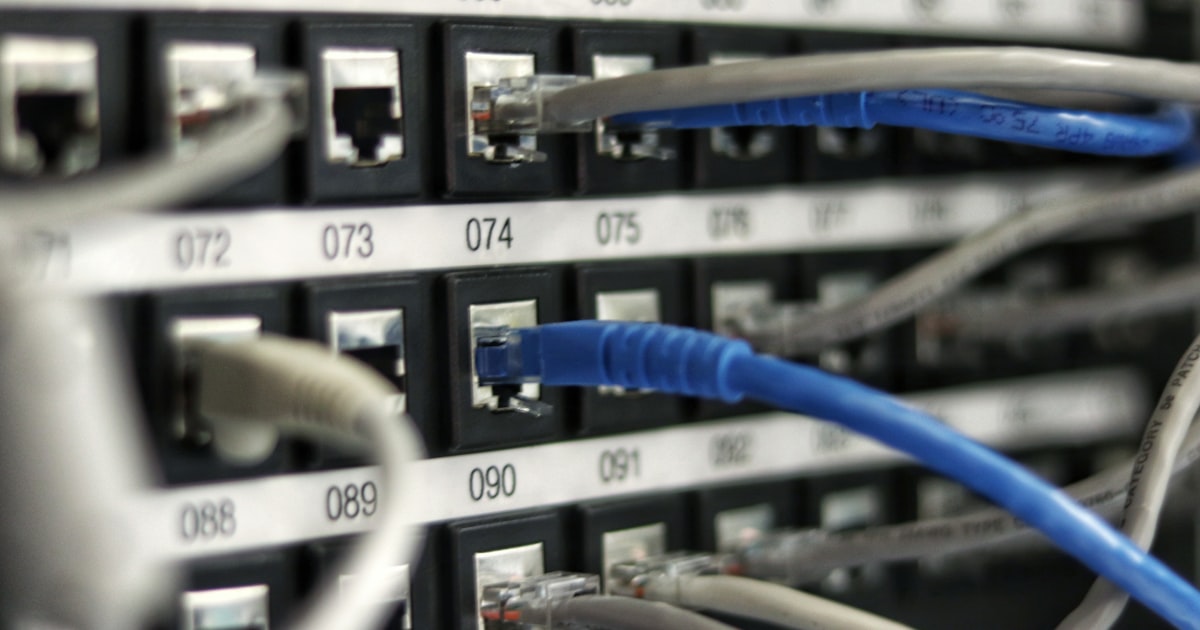
On July 19, 2024, millions of Windows machines across the globe crashed simultaneously into the Blue Screen of Death (BSOD). Flight display boards went dark, hospital emergency rooms reverted to paper, and broadcast studios were knocked off the air. What initially appeared to be a catastrophic failure of Microsoft’s cloud infrastructure was something more insidious: an architectural failure in how third-party security software interfaces with the operating system kernel.
The scale of disruption was breathtaking, exposing just how fragile our interconnected enterprise systems become when single points of failure operate with maximum privilege.
Root Cause: Inside Channel File 291
The outage was triggered not by Microsoft itself, but by an out-of-band content update released by cybersecurity vendor CrowdStrike for its Falcon sensor platform.
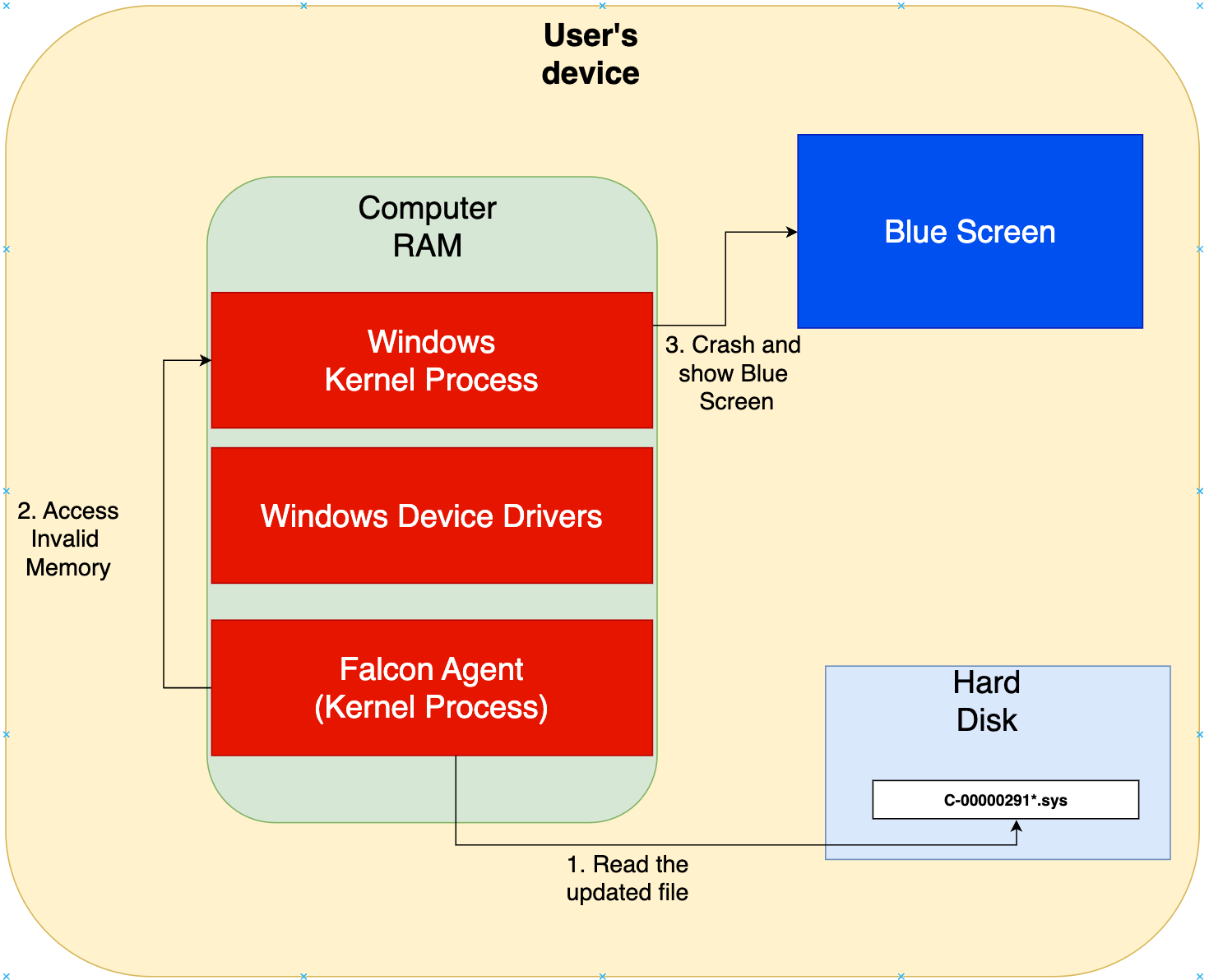
According to CrowdStrike’s official Root Cause Analysis, the defect occurred in Rapid Response Content Channel File 291 (C-00000291*.sys). The Content Interpreter in the CSAgent.sys kernel driver expected 21 input parameters, but the newly deployed Channel 291 file provided only 20. When the interpreter attempted to read the 21st parameter, it triggered an out-of-bounds memory read and a Windows kernel bugcheck 0x50 (PAGE_FAULT_IN_NONPAGED_AREA). Because Channel 291 was a configuration data file rather than an executable driver binary, it had bypassed traditional driver flighting, and a defect in CrowdStrike’s Content Validator allowed it to pass through to production endpoints.
Image: A Faulty Update Process
Disentangling the Outage: Endpoints vs. Azure Cloud
In the hours following the crash, widespread confusion led many to assume Microsoft Azure had suffered a total collapse. The reality was more nuanced:
- Services Impacted: Unlike the separate, localized Microsoft Azure Central US storage incident that occurred on July 18, the July 19 outage directly crashed Windows client and server endpoints running CrowdStrike Falcon. While Microsoft cloud services themselves remained operational, enterprise access to Microsoft 365, Teams, internal databases, and critical line-of-business applications failed globally because local endpoints, domain controllers, and cloud VMs running the sensor were stuck in boot loops.
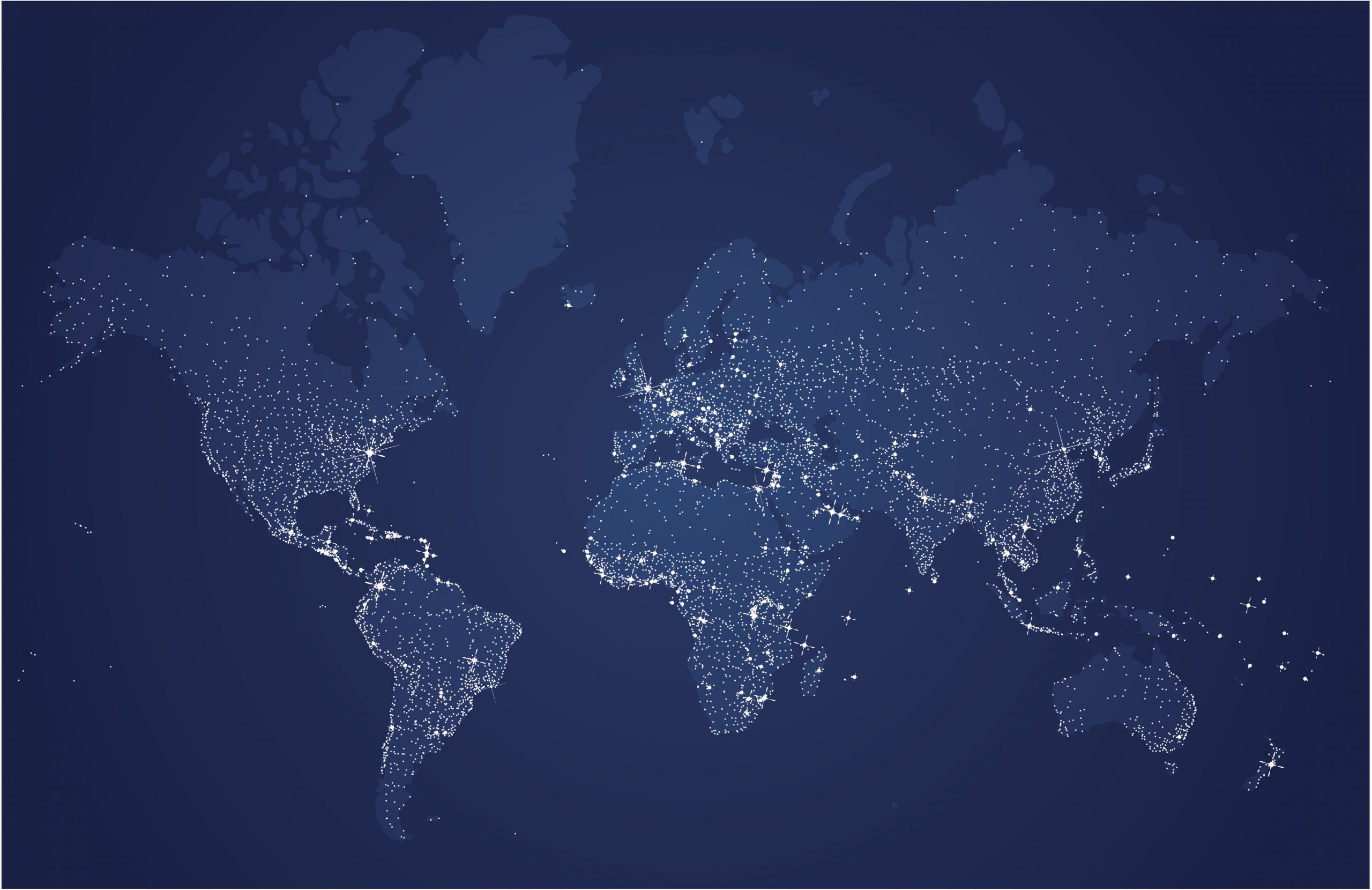
- Regions Affected: The outage had an immediate global reach, impacting critical infrastructure across North America, Europe, EMEA, Asia, and India. Key services including air travel check-in desks, hospital emergency systems, and banking terminals were abruptly knocked offline.
Image: Representative Global Impact Map
Operational Chaos: When the Airport Goes Dark
The real-world fallout highlighted how tightly modern physical infrastructure is coupled to Windows enterprise endpoints:
- Airlines: Check-in systems at major airports in India, including Mumbai and Delhi, were disrupted, affecting airlines like IndiGo, Akasa, and SpiceJet. I was personally affected by this as I was about to board a flight on the early morning of July 20th, but the flight got abruptly canceled, impacting my trip to North India in a big way. I had to waste almost two days due to this schedule change. While my personal loss was not much, I can imagine the loss it entails to so many individuals and businesses that were impacted.
- Healthcare: Hospitals had to cancel appointments and delay procedures due to the unavailability of critical systems. The potential risks to patient care during such outages emphasize the need for robust contingency plans.
- Financial Services and Enterprises: Companies relying on enterprise collaboration tools experienced significant operational delays, affecting productivity and business continuity.
Image: Recovery and Mitigation at Endpoints

Because affected machines were stuck in boot loops before establishing network connectivity, remote remediation was impossible. IT administrators had to physically touch thousands of machines, boot into Safe Mode or Windows Recovery Environment, and manually delete the offending C-00000291*.sys file - an agonizingly slow process.
The Legacy of Kernel Access and Update Architectures
While this incident was not delivered through Windows Update - CrowdStrike deployed Channel 291 directly via its proprietary out-of-band sensor channel - it brought intense scrutiny to Windows kernel security architecture. For years, enterprise administrators have grappled with the lack of isolation when third-party security software runs at ring 0. Because kernel drivers possess unrestricted system privileges, a single unhandled exception halts the entire OS. This event has reignited industry discussions around whether security sensors should be moved to user mode, similar to Apple’s Endpoint Security framework in macOS.
Defensive Engineering: Staged Rollouts and Isolation
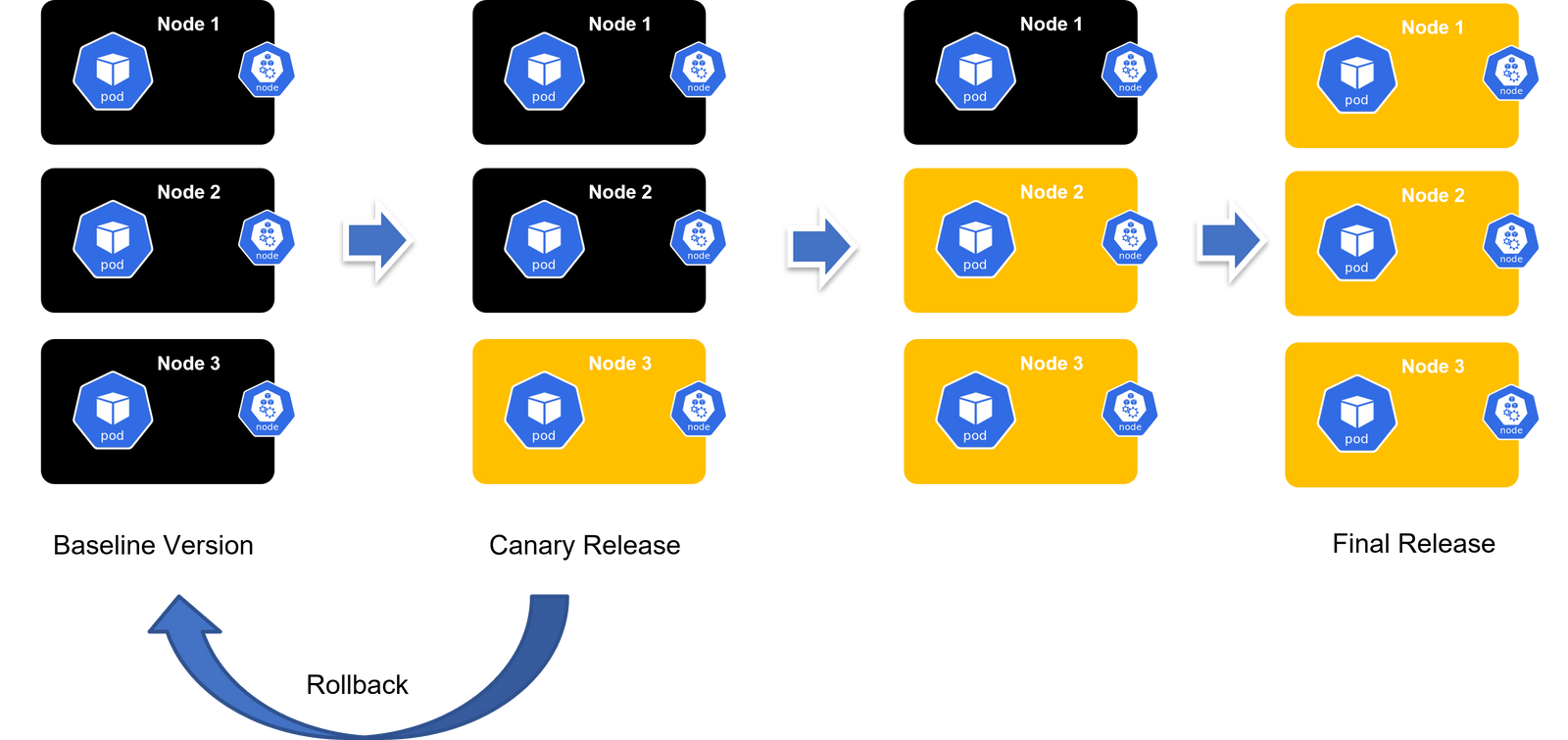
Could this catastrophe have been prevented? Technically, yes. The core problem was that Channel 291 was pushed globally and simultaneously without canary staging.
Technical Isolation Mechanisms
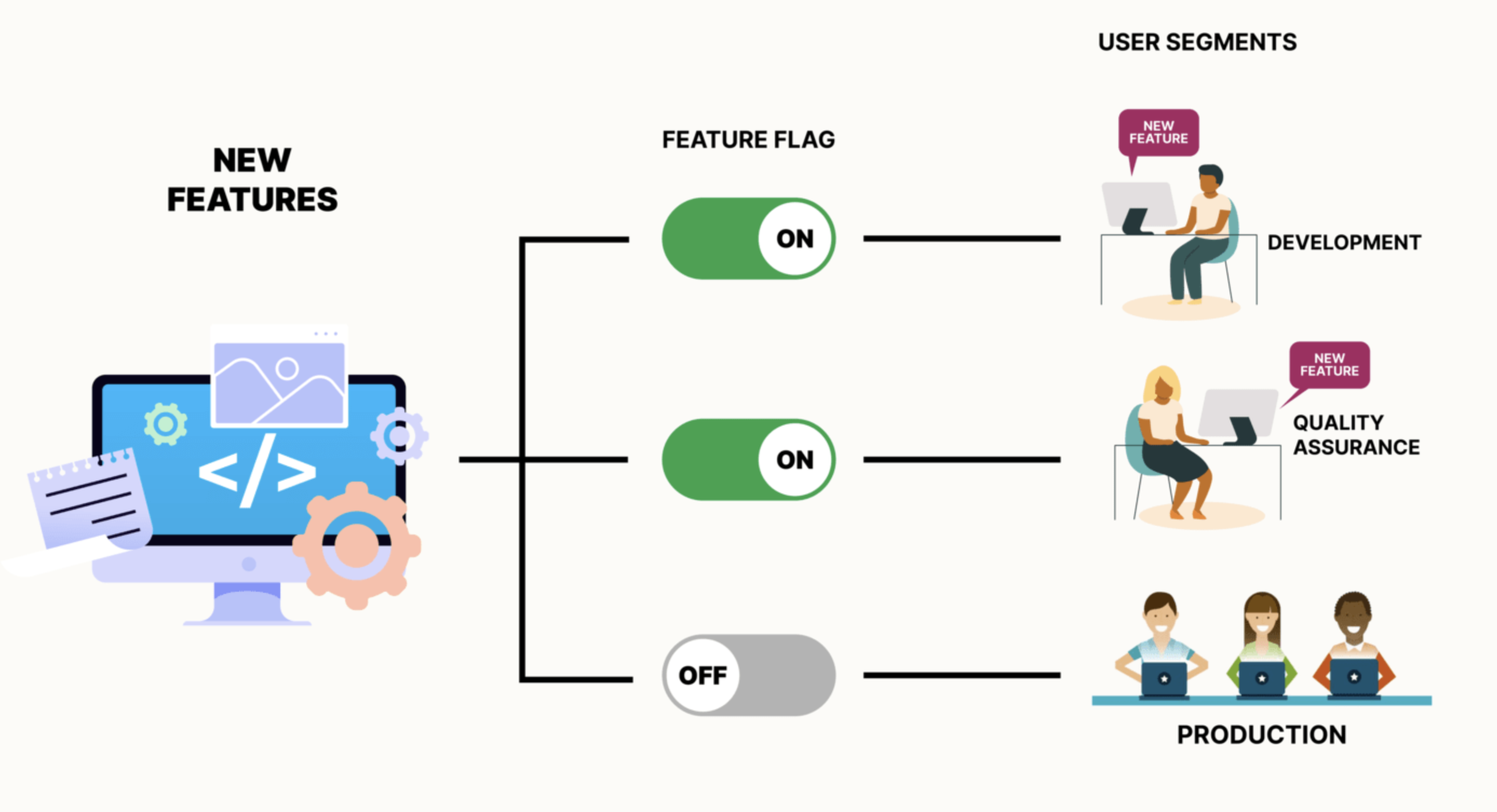
- Canary Deployments: Rather than updating 8.5 million machines simultaneously, updates should be flighted progressively: 1%, then 5%, then 25%, with automated telemetry monitoring for kernel panics before expanding.
- Microservices and Containerization: Encapsulating workloads inside containers or isolated VMs prevents a single host-level fault from taking down an entire line of business.
- User-Mode Sensor Architecture: Moving endpoint security telemetry out of ring 0 and into user space ensures that an unhandled memory fault crashes only the security process, not the entire machine.
Image: An Example Isolation Mechanism Diagram
Architectural Staging Example
Here is a conceptual model of safe canary staging and automated rollback telemetry:
function deployUpdate(update) {
    // Step 1: Deploy update to canary servers
    for each server in canaryServers:
        deploy(update, server)
        monitor(server)

    // Step 2: Monitor canary servers for issues
    if all(canaryServers.status == 'healthy'):
        // Step 3: Proceed with full deployment if no issues
        for each server in productionServers:
            deploy(update, server)
            monitor(server)
    else:
        // Step 4: Rollback update if issues detected
        for each server in canaryServers:
            rollback(update, server)
        notifyAdmin("Update rolled back due to issues detected in canary deployment")
}

function deploy(update, server) {
    // Deploy the update to the server
    server.apply(update)
}

function monitor(server) {
    // Monitor the server for a set period to check for issues
    wait(monitoringPeriod)
    if server.status != 'healthy':
        return false
    return true
}

function rollback(update, server) {
    // Rollback the update from the server
    server.revert(update)
}
Image: Example of Canary Deployment
Economic Fallout and Architectural Lessons
The financial impact of this outage was monumental. While early preliminary estimates in the immediate 24-48 hours cited losses around $16 million for isolated localized sectors, comprehensive industry analyses later established a vastly higher figure: cyber-insurer Parametrix estimated direct losses of approximately $5.4 billion for US Fortune 500 companies alone (excluding Microsoft), with individual carriers such as Delta Air Lines reporting over $500 million in direct operational disruption and passenger compensation. This event serves as a critical reminder of the importance of robust IT infrastructure and contingency planning in today’s interconnected digital landscape.
For enterprise IT architects, the lessons are clear:
- Never allow third-party configuration updates to bypass phased deployment.
- Push operating system vendors toward user-mode endpoint telemetry.
- Build out-of-band recovery automation into fleet management.
When an entire global airline fleet can be grounded by one missing parameter in a 20-argument function call, the problem is not bad luck - it is an architectural design that grants too much trust to code running in ring 0.
Warm regards,
Bhargav
Resources and references
- CrowdStrike - External Technical Root Cause Analysis: Channel File 291 Incident, August 6, 2024. crowdstrike.com
- Microsoft Security - Helping Our Customers Through the CrowdStrike Outage (David Weston, VP Enterprise and OS Security), July 20, 2024. blogs.microsoft.com
- Parametrix Insurance - CrowdStrike Outage Loss Assessment for US Fortune 500, July 2024.
- Delta Air Lines - SEC Form 10-Q Quarterly Report: Impact of July 2024 Outage, Q3 2024.
- TechCrunch - Microsoft Says 8.5M Windows Devices Were Affected by CrowdStrike Outage, July 20, 2024.
- Devtron - Understanding Canary Deployment Strategy, 2023. devtron.ai
Comments powered by Disqus.